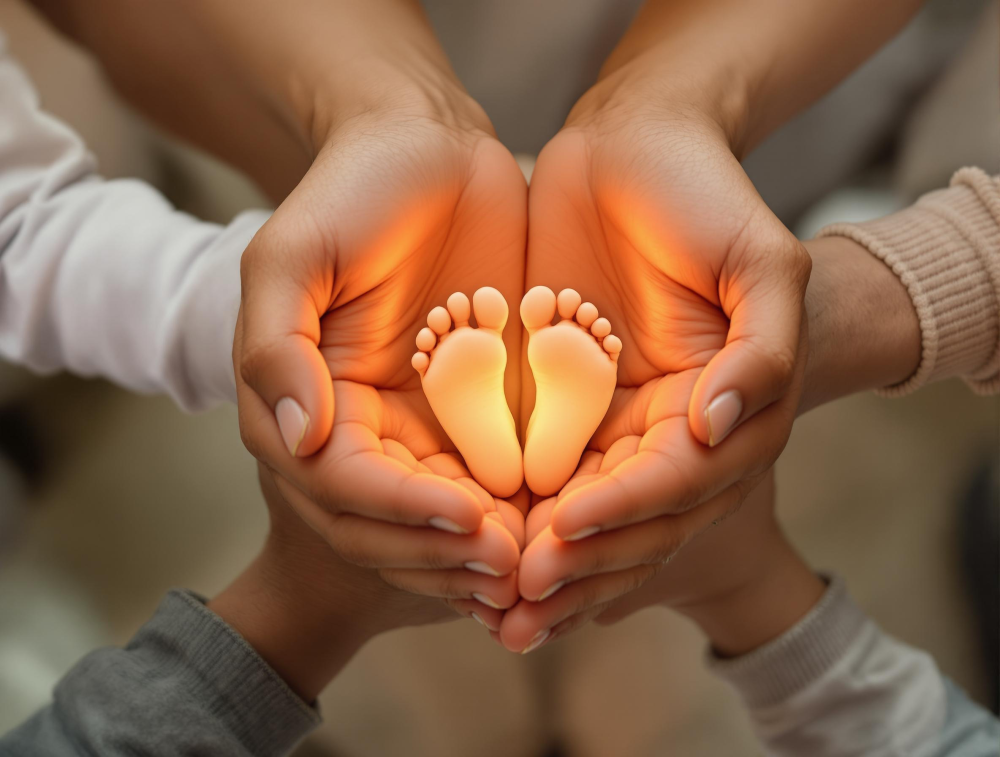
The pro-life movement is rooted in the belief that every human life—regardless of age, stage, or circumstance—possesses inherent dignity and value. At its core, being pro-life means advocating for the protection and respect of life from conception to natural death. This perspective is grounded in the conviction that every person, born or unborn,deserves a chance at life, and that society has a responsibility to safeguard the most vulnerable among us.
Supporters of the pro-life viewpoint emphasize the importance of compassion, support,and practical assistance for individuals facing unplanned or challenging pregnancies.
The movement encourages providing resources, education, and emotional support to expectant mothers, as well as promoting adoption, family support services, and community-based initiatives that affirm the value of life.Pro-life advocacy extends beyond the issue of abortion. It encompasses a broader commitment to the well-being of children, families, the disabled, the elderly, and all who may be marginalized or at risk. It calls for policies and practices that uphold the sanctity of life, foster a culture of care, and address the root causes of social and economic pressures that can lead to life-ending choices.
While the pro-life stance is often associated with deeply held moral, ethical, or religious convictions, it is also informed by scientific, philosophical, and humanitarian principles.Ultimately, the pro-life message is one of hope, compassion, and unwavering respect for the gift of life in all its forms.
— Blog Contributor